Students studying in Classes 9 and 10 are typically 15–16 years old. At this stage, they are naturally curious, energetic, and learn best through practical experiences rather than passive instruction. Simply explaining concepts through lectures is often not enough. Teachers should use hands-on activities, real-life examples, experiments, and demonstrations to make physical science concepts easier to understand.
For example, the chapter on Reflection of Light becomes much more meaningful when students observe the laws of reflection using mirrors, lasers, or simple classroom experiments instead of only reading about them in a textbook.
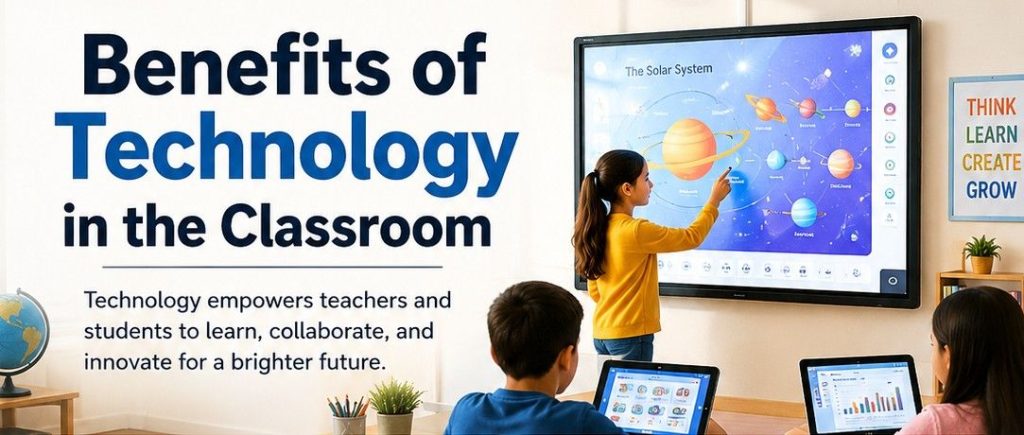
Today, teachers also have access to a wide range of digital learning resources, including virtual laboratories, simulations, animations, and educational videos. These tools help students visualize abstract concepts in physics and chemistry, making lessons more interactive and engaging.
Encouraging students to complete small science projects, such as building a simple solar-powered device, designing a water purification system, or creating basic electrical circuits, helps develop problem-solving skills, creativity, teamwork, and scientific thinking. Project-based learning also enables students to apply theoretical knowledge to real-life situations, leading to deeper understanding and better retention.
There are many effective methods for teaching Physical Science in the classroom, each designed to improve conceptual understanding and encourage active participation.
Adopting student-centered teaching methods creates a more engaging learning environment where students actively participate in discussions, investigations, experiments, and collaborative activities. As a result, students become more attentive, classroom participation increases, attendance improves, and overall academic performance is enhanced.