Enhance student safety with essential knowledge on common health problems and First Aid in School. Learn how timely first aid, awareness, and preventive care can reduce risks and save lives on school premises. Perfect for teachers, students, and school staff seeking health and safety guidance.
First Aid is the immediate and basic care given to a person who is ill or injured. In cases of minor injuries or mild illnesses, first aid alone may be enough for recovery. However, in serious or life-threatening situations, first aid helps to stabilize the patient temporarily until professional medical treatment is available from a doctor or hospital. Properly administered first aid can often make the difference between life and death.
Main Objectives of First Aid (The 3 Ps):-
The core aims of first aid are commonly known as the 3 Ps:
- Preserve life – to save and maintain life.
- Prevent the situation from worsening – to stop the condition from deteriorating.
- Promote recovery – to help speed up healing and recovery
Ideally, first aid should be provided by a trained individual. However, in the absence of trained personnel, any aware and responsible person can administer first aid. In critical situations, first aid must be continued until medical professionals arrive or the patient is taken to a healthcare facility. Delayed first aid can sometimes lead to serious consequences or loss of life. On the other hand, timely and correct first aid can save lives and reduce the severity of injuries or illnesses.
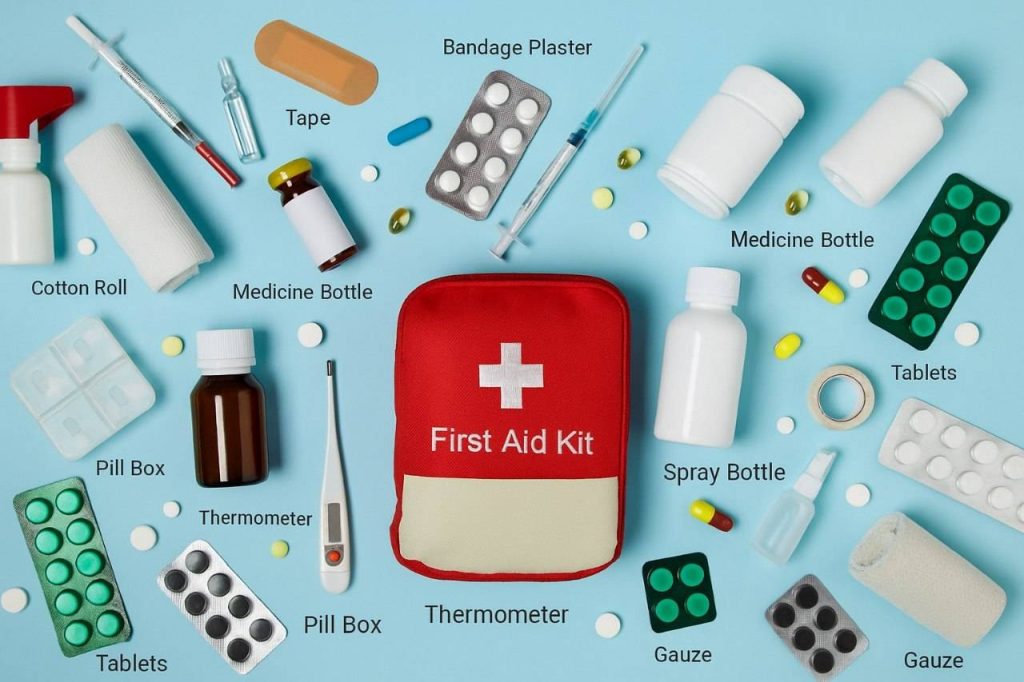
In contemporary times, the need for first aid is immense.
Common Accidents and Emergency Situations You Should Be Prepared For
In daily life, emergencies can happen anytime and anywhere. Being aware of common accidents and knowing basic first aid can help prevent serious harm and save lives.
1. Common Injuries and Accidents
- Cuts and wounds
- Grazes (skin abrasions)
- Bleeding
- Burns and scalds
- Sunburn
- Fractures (broken bones)
- Sprains
- Dislocations
- Head injury
- Eye injury
- Nose injury or nosebleed
- Dental or mouth injury
- Foreign object in the ear
- Foreign object in the nose
- Foreign object in the eye
- Knife or glass cuts
- Puncture wounds (nails, thorns, sharp objects)
- Crush injuries (heavy objects falling)
- Road accidents
- Fall injuries
2. Electrical and Environmental Emergencies
- Electric shock
- Lightning strike
- Fire accident burns
- Smoke inhalation
- Gas leak poisoning
- Chemical burns
- Heat stroke
- Heat exhaustion
- Hypothermia
- Frostbite
3. Animal and Insect-Related Incidents
- Snake bite
- Dog bite
- Cat scratch
- Bee sting
- Wasp sting
- Mosquito bite
- Bedbug bite
- Fish spine injury
- Scorpion or spider bite
- Wild animal attack
4. Breathing and Circulatory Emergencies
- Heart attack
- Sudden cardiac arrest
- Stroke (paralysis)
- Choking
- Asthma attack
- Drowning
- Respiratory arrest (breathing stops)
- Severe bleeding
- No pulse
- Pulmonary edema (fluid in lungs)
5. Digestive and Abdominal Problems
- Food poisoning
- General poisoning
- Drug overdose
- Stomach pain
- Vomiting and nausea
- Diarrhea
- Constipation
- Bloating or gas
- Abdominal cramps
- Indigestion
6. Neurological and Mental Health Emergencies
- Fainting
- Seizures or epilepsy
- Sudden dizziness
- Emotional shock
- Panic-related fainting
- Seizures during sleep
- Sudden confusion or memory loss
- Stress attack
- Suicide attempt (requires immediate emergency help)
- Sudden loss of consciousness
7. Blood and Skin-Related Conditions
- Fainting due to anemia
- Skin rashes
- Itching
- Allergic reactions
- Anaphylaxis (severe allergy)
- Boils and abscesses
- Infected wounds
- Swelling from insect bites
- Sun allergy
- Respiratory or airway allergy
8. Other Common Medical Emergencies in Daily Life
- Low blood pressure
- High blood pressure
- Low blood sugar (hypoglycemia)
- High blood sugar (hyperglycemia)
- Extreme fatigue
- Dehydration
- Muscle cramps
- Knee injury or sprain
- Shoulder dislocation
- Back pain or strain
9. Common School and Household Accidents
- Slipping and falling on wet floors
- Cuts from sharp objects
- Kitchen burns
- Burns from hot water or tea
- Exposure to household chemicals
- Sports injuries
- Falling from stairs
- Back strain while lifting heavy objects
- Child choking on food or toys
- Breathing difficulty due to smoke or gas at home
Why Is First Aid Important in Schools?
School-going children are generally less adapted to their environment and therefore face a higher risk of accidents and injuries. Although most school injuries are minor and can be managed with basic care, in some cases students may suffer serious or even life-threatening injuries.
Children’s physical development and ability to judge risk are not as mature as those of adults. As a result, children are often more vulnerable to illness, injury, and sudden health problems. If first aid is not provided at the right time, the severity of the situation can increase significantly.
The Concern of Parents
It is especially important to note that parents love their children more than anything else in life. Even if they ignore their own difficulties, they remain deeply concerned about their children’s safety.
In the present situation, many parents send their children to school with constant worry in their hearts, trusting the school and teachers to take care of them. Parents expect teachers to act as temporary guardians during school hours—providing immediate first aid for minor injuries and quickly contacting families if the situation demands medical attention.
Role of Teachers and School Staff
Most school injuries occur due to:
- Physical activities
- Running and playing
- Natural childhood curiosity and restlessness
Therefore, it is extremely important for teachers and school staff to be trained in first aid, so that quick and correct action can be taken during emergencies.
Key Statistics Highlighting the Importance of First Aid in Schools
- In West Bengal, 15–25% of school-aged children show diverse behavioral traits, such as extreme hyperactivity, stubborn behavior, ADHD, or ASD.
- A large percentage of school accidents occur due to running and rushing during playtime or transitions.
- Every day, thousands of children suffer minor cuts, bruises, sprains, or fall-related injuries in schools.
- Many heal on their own
- Some receive basic first aid
- But a small number develop into serious long-term health problems due to lack of timely care
- Due to traffic congestion and road conditions in West Bengal, emergency medical help can take 15 minutes to over an hour to arrive.
- During this critical time, proper first aid can save lives
- Studies show that only 30–40% of school staff in West Bengal are trained in first aid on paper, but the real-life implementation is often inadequate.
- While paramedical nurses have been appointed in some upper primary schools, primary schools remain largely neglected.
- In many public schools in West Bengal, first aid systems exist only in name, not in practice.
- Research indicates that:
- Proper first aid systems can increase student safety by up to 50%
- Parents’ anxiety can be reduced by up to 50%
- Approximately 17 million students study in schools across West Bengal:
- About 11.7 million at primary and secondary levels
- Around 5.3 million at the higher secondary level
What Does First Aid Training in Schools Involve?
First aid training in schools is designed to help teachers, staff, and sometimes students respond quickly, calmly, and effectively during accidents or medical emergencies.
1. Basic Knowledge of First Aid
- Purpose and principles of first aid
(The 3 Ps: Preserve Life, Prevent the Condition from Worsening, Promote Recovery) - Staying calm during emergencies and ensuring personal and student safety
- Identifying emergency situations and knowing when and how to call for help
2. Management of Common Injuries
- Treating cuts, wounds, and controlling bleeding
- First aid for burns and scalds
- What to do in cases of sprains, dislocations, and fractures
- Care for head, eye, and nose injuries
3. Immediate Care in Serious Conditions
- Managing an unconscious person safely
- Handling choking emergencies (Heimlich maneuver)
- Training in Cardiopulmonary Resuscitation (CPR)
- First aid during:
- Heart attack
- Asthma attack
- Seizures
4. Health and Safety Awareness
- School safety policies and proper use of the first aid box
- Common childhood health issues:
- Allergies
- Fever
- Dehydration
- Accident prevention strategies and safety precautions
5. Practical Training (Hands-on Practice)
- Proper use of bandages, dressings, and slings
- Teamwork during emergencies
- Role-play, simulations, and mock drills to build confidence
Where Can I Complete First Aid Training?
Today, many reliable government, private, and voluntary organizations offer certified first aid training programs.
- One of India’s most recognized organizations
- Conducts Basic First Aid and CPR training regularly
- District-level branches across most Indian states
2. St. John Ambulance India
- A government-approved organization
- Provides structured first aid training for:
- Teachers
- School staff
- Office employees
- General public
- Certificate courses available in many states
3. National Institute of Disaster Management (NIDM)
- Offers training in Disaster Preparedness and First Aid
- Suitable for teachers, students, and school administrators
4. Local Hospitals or Medical Colleges
- Many government and private hospitals (such as Apollo, Fortis, AIIMS, etc.) conduct short-term First Aid and CPR workshops
- Medical colleges and nursing institutes often organize similar training programs
5. Online Training Courses
If you prefer learning from home, the following platforms offer certificate-based courses:
- Coursera – First Aid and CPR by the American Red Cross
- Udemy – Basic First Aid for Everyone
- Skill India Portal – First Aid Awareness Programmes
Read More:
- Annual Academic Calendar of WBBSE Class 5-10
- Top 50 Teaching Interview Questions and Answers
- WB SLST 9-10 Teacher Interview Process 2025
FAQ on First Aid in School
What is some importance of first aid box in school?
The importance of a first aid box in schools is immense. It allows for immediate medical assistance in case of accidents or sudden illness. With a first aid box readily available, schools can respond quickly to situations such as minor cuts, burns, wounds, or head injuries among students. Having a properly equipped first aid box helps keep injured students safe and stable until further medical help is provided, and it often prevents small problems from turning into serious emergencies.
What are the first aid activities in the school?
Common first aid activities in schools include providing immediate care for minor cuts and wounds, treating burns or scalds, and managing head injuries or applying cold compresses when needed. Schools also handle situations such as dizziness, headaches, and nosebleeds, as well as giving basic support during sudden illness or fainting. In addition, schools play an important role in basic first aid education, helping students learn simple safety and care practices for everyday situations.
What to put in a first aid kit for school?
A school first aid kit should be properly stocked to manage common injuries and minor emergencies effectively. It should include bandages of different sizes, sterile gauze pads, antiseptic cream or lotion, alcohol swabs or antiseptic wipes, adhesive tape, a thermometer, scissors, safety pins, tweezers, and disposable gloves. Eye wash or sterile saline solution is essential for eye injuries, while cold and heat packs help manage pain, swelling, or burns. Tissues or gauze should be kept for nosebleeds, and basic pain relievers such as paracetamol or ibuprofen may be included only with adult or medical permission. A clearly visible list of medical emergency contact numbers should also be part of the kit to ensure quick and appropriate action during emergencies.
How to teach first aid in school?
Teaching first aid in schools is very important. Students should first learn what first aid is and why it is needed so they can respond sensibly in emergencies. Practical demonstrations, such as applying bandages, stopping nosebleeds, and treating minor cuts or burns, help them understand better. Role-play activities in groups allow students to practice real-life responses. They should also be taught how to use first aid kit items and when to seek help from parents or medical professionals. Regular revision, quizzes, and discussions strengthen knowledge and build confidence.
Discuss application of first aid principles in the nursery school?
Implementing a first aid policy in nursery schools is extremely important. Teachers should quickly observe a child’s behavior and the injured area to respond promptly. Ensuring a safe and child-friendly environment helps prevent accidents. In case of minor cuts, injuries, or burns, basic care such as bandaging, cold compresses, or antiseptic application should be given immediately. It is essential to keep the injured child calm and inform parents when necessary. Keeping a first aid kit easily accessible in the classroom allows for quick and effective response during emergencies.