Discover Positive Thinking and Motivation with practical insights on Positive Thinking Benefits and How to Practice It to boost confidence, happiness, and success.
Welcome to your complete guide on Positive Thinking and Motivation — a place where inspiration meets personal growth! This page provides everything you need to understand Positive Thinking Benefits and How to Practice It effectively in your daily life. Learn the Power of Positive Thinking in Personality Development, build resilience, and achieve emotional stability. Our expert insights reveal Positive Thinking Benefits and How to Get Started to create lasting change in mindset and behavior.
Through real-life strategies and uplifting examples, you’ll also explore The Power of Positive Thinking – How to Stay Motivated even in tough times. These carefully curated Tips to Cultivate Positive Thinking 2025 help you stay confident, focused, and optimistic. Dive into our content and unlock your inner potential with practical tools for success, growth, and true happiness.
What Is Positive Thinking, Exactly?
Positive Thinking refers to a mental attitude in which a person learns to look at every life situation with optimism, constructiveness, and realism. It is not limited to simply saying “think good” or “everything will be fine.” Rather, it is a kind of mental discipline where an individual consciously shapes thoughts, emotions, and behavior in such a way that focus shifts from problems toward solutions.
Positive thinking does not mean denying reality. Instead, it means discovering hope and possibilities even within real-life challenges.
For example, if a teacher notices that some students are not paying attention in class, two ways of thinking can arise:
❌ “The students do not respect me.”
✅ “I need to use more engaging teaching methods.”
From a psychological perspective, positive thinking is an important concept in Cognitive Psychology and Positive Psychology. Dr. Martin Seligman, the founder of Positive Psychology, stated:
“Optimism is a learned skill. Just as pessimism can be unlearned.”
Nobel Prize–winning psychologist Dr. Daniel Kahneman also explains that our patterns of thinking deeply influence our decisions and actions. Therefore, positive thinking enhances our mental effectiveness.
Meaning for a teacher:
If a teacher or teaching candidate develops positive thinking, then
✅ They will respond to students’ mistakes with empathy rather than frustration.
✅ They can turn classroom challenges into opportunities to improve teaching strategies.
✅ They will nurture optimism and confidence among students.
Positive Thinking is the art of using the power of the mind in the right direction. It teaches us that not the situation itself, but our response to it, determines how successful we become.
Positive Thinking vs. Negative Thinking
Positive Thinking and Negative Thinking are two mental approaches that interpret the same reality in completely different ways. For a teacher or teaching candidate, understanding this difference is very important, because your pattern of thinking directly influences classroom management, student motivation, and personal development.
Positive Thinking
This refers to a mindset in which a person looks for hope, possibilities, and solutions even during difficulties or failures.
Examples:
- Today’s class was challenging, but I will try to handle it better tomorrow.
- Some students were not attentive today, so I will use new techniques to make the lesson more interesting.
Negative Thinking
This is a mental tendency where a person first notices the negative side of situations and gradually loses confidence due to fear of failure.
Examples:
- I am not capable of teaching; students do not like me.
- Students never listen, so my teaching has no value.
Scientific Basis
Psychological studies suggest that positive thinking increases activity in the prefrontal cortex, which supports decision-making and problem-solving. In contrast, negative thinking overactivates the amygdala, which is linked to fear and anxiety responses. As a result, levels of cortisol (the stress hormone) rise, and overall performance decreases.
তুলনামূলক বিশ্লেষণ (Comparative Chart)
| Aspect | Positive Thinking | Negative Thinking |
|---|---|---|
| Attitude | Optimistic, confident | Pessimistic, doubtful |
| Thought Pattern | “I can do it” | “I can’t do it” |
| Focus | On solutions | On problems |
| Reaction | Patience and calmness | Anger, anxiety, or self-blame |
| Self-Talk | Encouraging and supportive | Self-critical |
| Emotion | Happiness, peace | Fear, sadness, frustration |
| Health Impact | Stable blood pressure, stronger immunity | Stress, insomnia, fatigue |
| Personality Effect | Confident, socially active | Introverted, anxious |
| Teaching Behavior | Motivating and innovative | Monotonous and discouraged |
| Outcome | Success and growth | Failure and self-doubt |
Relevance in the Teaching Profession:
✅ A teacher who believes in Positive Thinking views students’ mistakes as learning opportunities, maintains a calm and supportive classroom atmosphere, and shows empathy toward colleagues.
❌ On the other hand, a teacher accustomed to Negative Thinking often becomes complaint-oriented, easily irritated, and lacking in confidence, which can negatively affect students’ morale.
Positive Thinking does not ignore reality; instead, it accepts situations and looks for ways to improve them. It is a form of mental training that strengthens professional stability and emotional resilience in teaching candidates.
The Science Behind a Positive Mindset
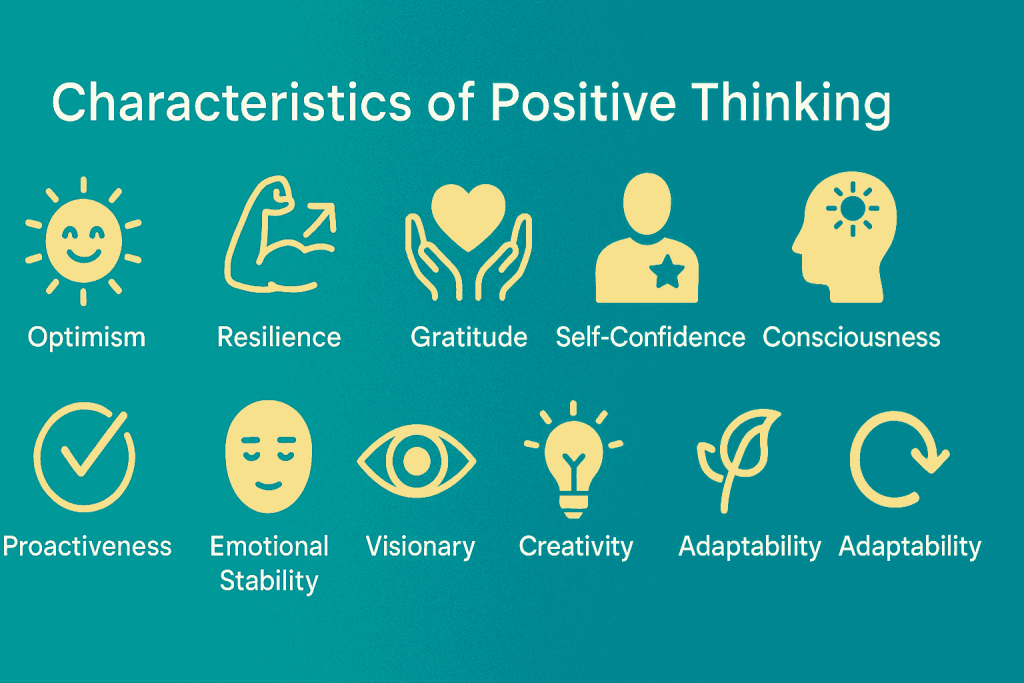
Positive thinking is not merely a way to feel good; it is actually a mental and neurological process supported by scientific evidence. Research has shown that when we think positively, the functioning of our brain, hormone secretion, and behavioral responses change. This, in turn, improves our emotional balance, ability to handle stress, and self-control.
Psychological Aspects
From a psychological viewpoint, positive thinking creates harmony between our thoughts, emotions, and actions. It conditions the brain in a way that helps us discover hope, solutions, and motivation even in challenging situations.
(1) Cognitive Appraisal Theory: Richard Lazarus, 1984
According to psychologist Richard Lazarus, our emotional responses depend more on how we interpret a situation than on the situation itself. In other words, when we view a challenge as a learning opportunity rather than a problem, our stress level decreases and solution-oriented behavior develops.
Imagine two teachers teaching the same class:
❌ The first one thinks, “This class is very bad; I can’t do anything.”
✅ The second one thinks, “If I try new methods, they will understand.”
(2) Learned Optimism: Martin Seligman, 1991
ড. মার্টিন সেলিগম্যান, Positive Psychology–এর জনক, “Learned Optimism” ধারণা প্রবর্তন করেন। তিনি প্রমাণ করেন যে আশাবাদ (Optimism) জন্মগত নয়, বরং শেখা যায়। ইতিবাচক মানুষ ব্যর্থতাকে স্থায়ী নয়, সাময়িক মনে করেন।
উদাহরণ:
❌ “আমি ব্যর্থ।”
✅ “এইবার ব্যর্থ হয়েছি, পরেরবার সফল হব।”
এই দৃষ্টিভঙ্গি মানসিক স্থিতি (Resilience) বৃদ্ধি করে এবং হতাশা কমায়।
(গ) Broaden-and-Build Theory — বারবারা ফ্রেডরিকসন (Barbara Fredrickson, 1998)
Barbara Fredrickson–এর “Broaden-and-Build Theory” অনুযায়ী, ইতিবাচক আবেগ আমাদের চিন্তার পরিধি (Cognitive Scope) প্রসারিত করে।
এটি মস্তিষ্কে নতুন ধারণা, সৃজনশীলতা এবং সমাধান খুঁজে বের করার ক্ষমতা বৃদ্ধি করে।
ফলাফল:
- ইতিবাচক মানুষ দ্রুত সমস্যার সমাধান খুঁজে পায়,
- দলের সঙ্গে ভালোভাবে কাজ করতে পারে,
- এবং দীর্ঘমেয়াদে সুখী ও সুস্থ থাকে।
স্নায়ুবৈজ্ঞানিক দৃষ্টিকোণ (Neurological Aspects)
ইতিবাচক চিন্তা মস্তিষ্কের কার্যপ্রণালীতে বাস্তব পরিবর্তন আনে – যাকে বলে Neuroplasticity (নিউরোপ্লাস্টিসিটি)। এটি হলো মস্তিষ্কের সেই ক্ষমতা, যার মাধ্যমে নতুন চিন্তা ও অভ্যাসের ফলে নতুন স্নায়ুতন্ত্রের সংযোগ তৈরি হয়।
(ক) মস্তিষ্কের অংশগুলির ভূমিকা:
- Prefrontal Cortex (প্রীফ্রন্টাল কর্টেক্স):
যুক্তি, সিদ্ধান্ত গ্রহণ ও আত্মনিয়ন্ত্রণে কাজ করে। ইতিবাচক চিন্তা এই অংশকে সক্রিয় করে, ফলে মনোযোগ ও স্থিরতা বাড়ে। - Amygdala (অ্যামিগডালা):
ভয় ও উদ্বেগ নিয়ন্ত্রণ করে। ইতিবাচক চিন্তা অ্যামিগডালার অতিসক্রিয়তা কমায়, ফলে চাপ হ্রাস পায়। - Hippocampus (হিপোক্যাম্পাস):
স্মৃতি গঠন ও শেখার সঙ্গে যুক্ত। ইতিবাচক মানসিকতা মস্তিষ্কে নতুন শেখার রাস্তা তৈরি করে।
(খ) হরমোন ও নিউরোকেমিক্যাল প্রভাব:
- Dopamine: আনন্দ, প্রেরণা ও সৃজনশীল চিন্তার হরমোন।
- Serotonin: মানসিক ভারসাম্য ও সুখের অনুভূতি বজায় রাখে।
- Endorphins: মানসিক চাপ কমিয়ে প্রশান্তি আনে।
- Cortisol: নেতিবাচক চিন্তায় বাড়ে, কিন্তু ইতিবাচক চিন্তায় কমে যায়।
ইতিবাচক চিন্তা এই হরমোনগুলির নিঃসরণ ভারসাম্যপূর্ণ রাখে, যা আমাদের মস্তিষ্ক ও শরীরকে সুস্থ রাখে।
(গ) Neuroplasticity — চিন্তার মাধ্যমে মস্তিষ্কের গঠন পরিবর্তন
যখন আমরা বারবার ইতিবাচক চিন্তা করি, তখন মস্তিষ্কে নতুন স্নায়ুবন্ধন (Neural Pathway) তৈরি হয়। ফলে নেতিবাচক প্রতিক্রিয়ার বদলে ইতিবাচক প্রতিক্রিয়া স্বয়ংক্রিয়ভাবে তৈরি হয়। এটাই ব্যাখ্যা করে কেন ধ্যান (Meditation), Affirmation, ও Gratitude Practice মস্তিষ্ককে শান্ত ও স্থিতিশীল রাখে।
ইতিবাচক চিন্তাভাবনা শুধু মানসিক নয়, এটি এক ধরনের বৈজ্ঞানিক অনুশীলন যা মস্তিষ্ক ও শরীরের স্বাস্থ্য উন্নত করে। যখন আমরা ইতিবাচকভাবে চিন্তা করি, আমাদের মস্তিষ্ক সেই অনুযায়ী কাজ করতে শুরু করে। ফলে জীবন হয়ে ওঠে আরও শান্ত, সৃজনশীল ও সফল।
“Your brain becomes what you think most of the time – so think positive, and your brain will follow.” 🧠
Positive thinking: Stop negative self-talk to reduce stress
আমাদের প্রতিদিনের জীবনের বেশিরভাগ মানসিক চাপ (stress) তৈরি হয় আমাদের নিজের চিন্তা থেকেই – বিশেষ করে যখন আমরা নিজের সঙ্গে নেতিবাচকভাবে কথা বলি। এই অভ্যাসকে বলে Negative Self-Talk (নেতিবাচক আত্মসংলাপ)।
এটি হলো সেই অভ্যন্তরীণ কণ্ঠস্বর, যা বারবার আমাদের বলে –
- আমি পারব না।
- আমার ভাগ্য খারাপ।
- সব সময় আমি ভুল করি।
এই ধরনের চিন্তা বা কথোপকথন ধীরে ধীরে আমাদের আত্মবিশ্বাস, উদ্যম ও মানসিক শান্তি ধ্বংস করে ফেলে।
নেতিবাচক আত্মসংলাপের প্রভাব (Effects of Negative Self-Talk):
- মানসিক চাপ বৃদ্ধি:
নেতিবাচক চিন্তা মস্তিষ্কে cortisol (stress hormone) এর নিঃসরণ বাড়ায়, যা উদ্বেগ, রাগ ও হতাশা তৈরি করে। - আত্মসম্মান নষ্ট করে:
ক্রমাগত আত্মসমালোচনার ফলে নিজের উপর বিশ্বাস হারিয়ে যায়। - সিদ্ধান্ত গ্রহণে দুর্বলতা:
নিজের সক্ষমতা নিয়ে সন্দেহ তৈরি হয়, ফলে ভুল সিদ্ধান্তের আশঙ্কা বাড়ে। - শারীরিক প্রভাব:
দীর্ঘমেয়াদি মানসিক চাপ রক্তচাপ বৃদ্ধি, ঘুমের সমস্যা ও রোগপ্রতিরোধ ক্ষমতা হ্রাস ঘটায়।
ইতিবাচক চিন্তার মাধ্যমে আত্মসংলাপ পরিবর্তনের উপায় (Ways to Transform Self-Talk Positively):
১. সচেতন হোন (Awareness):প্রথমে বুঝতে হবে আপনি নিজের সঙ্গে কীভাবে কথা বলছেন। নিজের চিন্তাগুলো লক্ষ্য করুন।
উদাহরণ:
❌ আমি ভুল করেছি, আমি অযোগ্য।
✅ আমি ভুল করেছি, কিন্তু আমি শেখার সুযোগ পেয়েছি।
২. বাস্তবতার সাথে তুলনা করুন (Challenge Irrational Thoughts):
যখন নেতিবাচক ভাবনা আসে, নিজেকে প্রশ্ন করুন —
এই ভাবনাটা বাস্তব সত্য নাকি শুধু ভয়?
এর প্রমাণ কী?
এই বিশ্লেষণই মস্তিষ্ককে বাস্তবভিত্তিক করে তোলে।
৩. ইতিবাচক ভাষা ব্যবহার করুন (Use Positive Language):
ভাষা চিন্তাকে নিয়ন্ত্রণ করে। নিজের সম্পর্কে বলুন —
🌸 আমি চেষ্টা করছি।
🌸 আমি পারব।
🌸 আমি উন্নতি করছি।
এগুলো মস্তিষ্কে dopamine ও serotonin নিঃসরণ বাড়ায়, যা প্রশান্তি ও আনন্দ দেয়।
৪. ধ্যান ও শ্বাসপ্রশ্বাসের অনুশীলন (Mindful Breathing):
গভীর শ্বাস নেওয়া ও ধ্যান মনকে শান্ত করে। এই প্রক্রিয়ায় amygdala (মস্তিষ্কের উদ্বেগ কেন্দ্র) কম সক্রিয় হয়, ফলে চাপ কমে।
৫. ইতিবাচক পরিবেশ তৈরি করুন (Surround Yourself with Positivity):
নেতিবাচক মানুষ বা কথা থেকে দূরে থাকুন। ইতিবাচক চিন্তাশীল বই পড়ুন, প্রেরণাদায়ক মানুষদের সঙ্গে সময় কাটান।
💡 শিক্ষক বা শিক্ষার্থী হিসেবে প্রয়োগ (Application for Teachers and Students):

শিক্ষক নিজের দক্ষতা নিয়ে সন্দেহ না করে নতুন কৌশল শেখার চেষ্টা করবেন।
শিক্ষার্থী নিজের দুর্বলতা নিয়ে হতাশ না হয়ে উন্নতির দিকে মন দেবে।

উদাহরণস্বরূপ —
❌ আমি পরীক্ষায় ভালো করতে পারব না।
✅ আমি প্রতিদিন একটু একটু করে প্রস্তুতি নিচ্ছি, আমি সফল হব।
Negative Self-Talk বন্ধ করার মানে নিজের মনের শত্রুকে বন্ধুত্বে রূপান্তর করা। ইতিবাচক আত্মসংলাপ আমাদের মানসিক চাপ কমায়, আত্মবিশ্বাস বাড়ায় এবং জীবনের প্রতি আশাবাদ জাগায়।
যেমনভাবে তুমি নিজের সঙ্গে কথা বলো, তেমনভাবেই তুমি নিজেকে তৈরি করো।
তাই আজ থেকেই শুরু হোক: 🌼 ইতিবাচক চিন্তা, শান্ত মন, সফল জীবন।
Strategies to Cultivate Positive Thinking
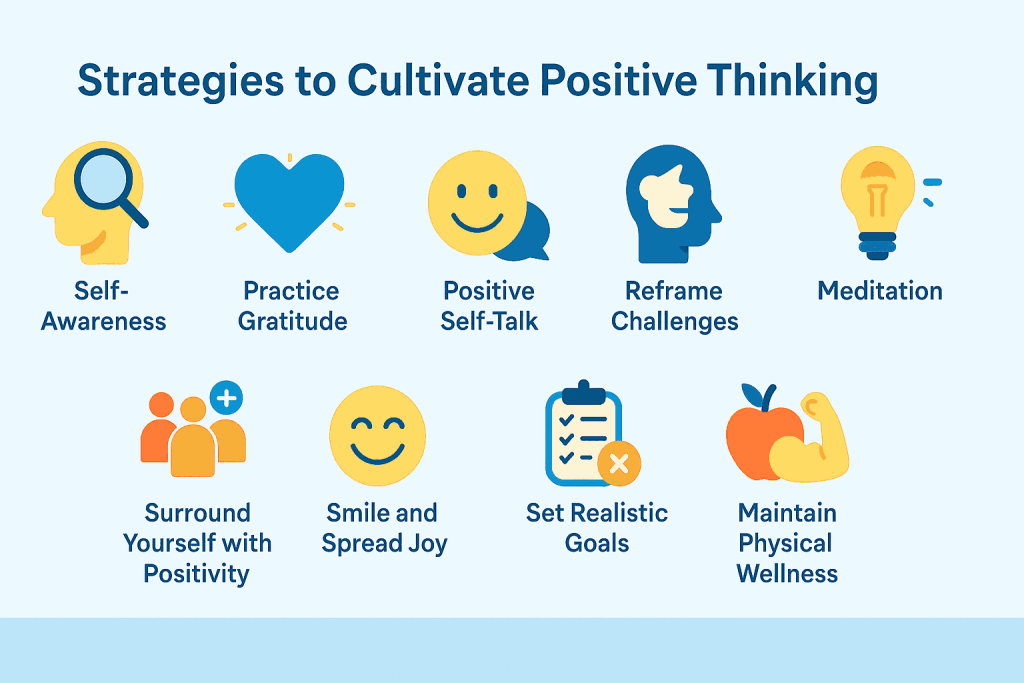
ইতিবাচক চিন্তাভাবনা গড়ে তোলার কৌশলসমূহ: ইতিবাচক চিন্তা (Positive Thinking) এমন একটি মানসিক অভ্যাস যা সময়, অনুশীলন ও সচেতন প্রচেষ্টার মাধ্যমে গড়ে তোলা যায়। এটি হঠাৎ করে জন্মায় না; বরং প্রতিদিনের ছোট ছোট অভ্যাসের মাধ্যমে মন, মস্তিষ্ক ও আচরণে স্থায়ী পরিবর্তন আনা যায়। নিচে কিছু প্রমাণভিত্তিক ও কার্যকর কৌশল দেওয়া হলো যা মনোবিজ্ঞানী ও শিক্ষাবিদরা ইতিবাচক মানসিকতা বিকাশের জন্য ব্যবহার করেন।
১. আত্মসচেতনতা (Self-Awareness) গড়ে তুলুন
ইতিবাচক চিন্তার প্রথম ধাপ হলো নিজের চিন্তা সম্পর্কে সচেতন হওয়া। যখনই নেতিবাচক ভাবনা আসে, সেটি চিনে নিন।
উদাহরণ:
❌ আমি ব্যর্থ।
✅ আমি এখনো সফল হইনি, কিন্তু আমি চেষ্টা করছি।
মনোবৈজ্ঞানিক দৃষ্টিকোণ:
Self-awareness বাড়লে prefrontal cortex (যা সিদ্ধান্ত ও নিয়ন্ত্রণে কাজ করে) সক্রিয় হয়, ফলে নেতিবাচক চিন্তা নিয়ন্ত্রণে রাখা সহজ হয়।
২. কৃতজ্ঞতার চর্চা করুন (Practice Gratitude)
প্রতিদিন নিজের জীবনের ভালো দিকগুলো উপলব্ধি করুন।
কাজ: প্রতিদিন রাতে তিনটি বিষয় লিখুন, যার জন্য আপনি কৃতজ্ঞ।
যেমন —
- আমার পরিবার আমাকে ভালোবাসে
- আজ আমি একটি নতুন কিছু শিখেছি
- আজ আমি হাসতে পেরেছি
প্রভাব:
কৃতজ্ঞতা serotonin নিঃসরণ বাড়িয়ে মনকে প্রশান্ত করে এবং জীবনের প্রতি ইতিবাচক দৃষ্টিভঙ্গি তৈরি করে।
৩. ইতিবাচক আত্মসংলাপ (Positive Self-Talk)
নিজের সঙ্গে যে ভাষায় কথা বলেন, তা আপনার মানসিক অবস্থা নির্ধারণ করে।
উদাহরণ:
❌ আমি পারব না।
✅ আমি চেষ্টা করব এবং উন্নতি করব।
টিপ: প্রতিদিন সকালে আয়নার সামনে দাঁড়িয়ে তিনটি affirmation বলুন —
🌼 আমি আত্মবিশ্বাসী।
🌼 আমি সক্ষম।
🌼 আমি আশাবাদী।
৪. সমস্যাকে সুযোগ হিসেবে দেখুন (Reframe Challenges)
চ্যালেঞ্জ বা ব্যর্থতাকে হুমকি হিসেবে নয়, শেখার সুযোগ হিসেবে দেখুন।
উদাহরণ:
❌ “এই কাজটা খুব কঠিন।”
✅ “এই কাজটা নতুন কিছু শেখার সুযোগ।”
ধ্যান ও সচেতনতা চর্চা (Meditation and Mindfulness)
প্রতিদিন ৫–১০ মিনিট ধ্যান করুন। ধ্যান আমাদের amygdala (ভয় ও উদ্বেগের কেন্দ্র) শান্ত করে এবং dopamine ও serotonin বাড়িয়ে মানসিক ভারসাম্য ফিরিয়ে আনে।
৬. ইতিবাচক পরিবেশ তৈরি করুন (Surround Yourself With Positivity)
আপনার চারপাশের মানুষ ও তথ্য আপনার চিন্তাকে প্রভাবিত করে।
✅ অনুপ্রেরণামূলক মানুষদের সঙ্গে মেলামেশা করুন
✅ ইতিবাচক বই ও ভিডিও দেখুন
✅ নেতিবাচক সংবাদ বা সমালোচনামূলক আলোচনা এড়িয়ে চলুন
ফলাফল:
মস্তিষ্ক ক্রমশ ইতিবাচক চিন্তার প্রতি অভ্যস্ত হয় (Neuroplasticity effect)।
৭. হাসুন এবং অন্যকে হাসান (Smile and Spread Joy)
হাসি হলো প্রাকৃতিক stress reliever। যখন আপনি হাসেন, তখন আপনার মস্তিষ্ক endorphins ও dopamine নিঃসরণ করে, যা মানসিক চাপ কমায় এবং সুখ বাড়ায়।
৮. বাস্তবসম্মত লক্ষ্য নির্ধারণ করুন (Set Realistic Goals)
বড় লক্ষ্য ভয় সৃষ্টি করে, কিন্তু ছোট ছোট অর্জন আত্মবিশ্বাস বাড়ায়।
পদ্ধতি:
- বড় লক্ষ্যকে ছোট ধাপে ভাগ করুন
- প্রতিটি ধাপে অগ্রগতি লিখে রাখুন
- সাফল্য উদযাপন করুন 🎉
এটি self-efficacy (নিজের উপর বিশ্বাস) বাড়ায়।
৯. ব্যর্থতাকে স্বীকার করুন (Accept Imperfection)
সব কিছু নিখুঁত হবে না। ভুল করা শেখার অংশ।
নিজেকে দোষারোপ না করে, অভিজ্ঞতা থেকে শিক্ষা নিন।
১০. শারীরিক সুস্থতা বজায় রাখুন (Maintain Physical Wellness)
মন ও শরীর পরস্পরের সঙ্গে যুক্ত।
✅ পর্যাপ্ত ঘুম
✅ সুষম খাদ্য
✅ নিয়মিত ব্যায়াম
এসব অভ্যাস dopamine, serotonin, ও oxytocin বৃদ্ধি করে, যা স্বাভাবিকভাবে ইতিবাচক চিন্তা বাড়ায়।
ইতিবাচক চিন্তাভাবনা কোনো যাদু নয় – এটি একটি জ্ঞানীয় দক্ষতা (Cognitive Skill) যা অনুশীলনের মাধ্যমে বিকশিত হয়। যখন আপনি প্রতিদিন কৃতজ্ঞতা, আত্মবিশ্বাস, ও সচেতন চিন্তার চর্চা করেন, তখন আপনার মস্তিষ্ক ধীরে ধীরে নেতিবাচকতার পরিবর্তে ইতিবাচকতার পথে চলে আসে।
Practicing positive thinking every day
প্রতিদিন ইতিবাচক মনোভাব নিয়ে দিন শুরু করুন, কৃতজ্ঞ থাকুন, শিক্ষক হিসেবে একটি লক্ষ্য ঠিক করুন, নেতিবাচক চিন্তাকে বদলান, হাসিখুশি থাকুন, সদাচরণ করুন এবং রাতে দিনের সাফল্য লিখে রাখুন। এতে আত্মবিশ্বাস বাড়ে, মনোযোগ ও শিক্ষাদানের মান উন্নত হয়। For B.Ed Pass WB SLST Future Teacher
সকালের ইতিবাচক সূচনা:
ঘুম থেকে উঠে তিনবার গভীর শ্বাস নিন ও নিজেকে বলুন – আমি একজন দক্ষ শিক্ষক হতে পারব, আজ আমি শিখব ও শেখাবো।
কৃতজ্ঞতার চিন্তা (Gratitude Moment):
প্রতিদিন তিনটি বিষয়ের জন্য কৃতজ্ঞতা প্রকাশ করুন – যেমন পরিবার, সুযোগ, ছাত্রছাত্রী।
এটি মানসিক ভারসাম্য বজায় রাখে।
দিনের উদ্দেশ্য নির্ধারণ:
আজ আমি কীভাবে একজন ভালো শিক্ষক হিসেবে নিজের আচরণ ও প্রস্তুতি উন্নত করতে পারি – সেটি ভেবে একটি লক্ষ্য ঠিক করুন।
নেতিবাচক চিন্তা রূপান্তর:
যদি মনে হয় আমি পারব না, সঙ্গে সঙ্গে ভাবুন –
আমি প্রস্তুতি নিচ্ছি, তাই আমি অবশ্যই পারব।
মাইক্রো বিরতি নিন:
দীর্ঘ প্রস্তুতির মাঝে ছোট বিরতিতে হাসুন, গভীর শ্বাস নিন, চোখ বন্ধ করে বলুন – আমি শান্ত ও মনোযোগী।
ছোট সদাচরণ (Kindness Act):
সহপাঠী বা বন্ধুকে সাহায্য করুন, ভালো কথা বলুন – এতে আত্মবিশ্বাস ও ইতিবাচকতা বাড়ে।
রাতের পুনর্মূল্যায়ন:
দিন শেষে তিনটি ভালো মুহূর্ত লিখে ফেলুন — যেমন কিছু নতুন শিখেছেন, ভালোভাবে উত্তর দিয়েছেন, মনোযোগী থেকেছেন।
Common Misconceptions About Positive Thinking
১. ইতিবাচক চিন্তা মানে সবসময় খুশি থাকা
অনেকে মনে করেন Positive Thinking মানে সারাক্ষণ হাসিখুশি থাকা।
বাস্তবতা: এটি মানসিক অবস্থা নয়, বরং মনোভাব — যেটা কঠিন পরিস্থিতিতেও বাস্তবভাবে ভালো দিক খুঁজে বের করতে সাহায্য করে।
২. Positive thinkers বাস্তবতা এড়িয়ে যায়
কেউ কেউ মনে করেন ইতিবাচক মানুষরা কষ্ট বা সমস্যাকে অস্বীকার করেন।
বাস্তবতা: সত্যিকারের ইতিবাচক চিন্তা হলো সমস্যা স্বীকার করা এবং তারপর তার কার্যকর সমাধান খোঁজা।
৩. শুধু ভাবলেই সব ঠিক হয়ে যাবে
“Think positive and everything will be fine” — এটি ভুল ধারণা।
বাস্তবতা: ইতিবাচক চিন্তা কাজের দিকনির্দেশনা দেয়, কিন্তু ফলাফল আসে কাজের মাধ্যমে, শুধু চিন্তা দিয়ে নয়।
৪. ইতিবাচক চিন্তা দুর্বল মানুষের জন্য
অনেকে ভাবে, Positive thinking মানে নিজেকে সান্ত্বনা দেওয়া বা আত্মপ্রবঞ্চনা।
বাস্তবতা: বরং এটি মানসিক শক্তি ও আত্মনিয়ন্ত্রণের প্রতীক — একজন সফল শিক্ষক বা নেতা এরই ফলাফল।
৫. ইতিবাচক চিন্তা মানে নেতিবাচক আবেগ দমন করা
অনেকে মনে করেন দুঃখ, ভয় বা রাগ প্রকাশ না করাই ইতিবাচকতা।
বাস্তবতা: এটি ভুল। প্রকৃত ইতিবাচক ব্যক্তি নিজের আবেগ বোঝে, স্বীকার করে, তারপর সেগুলোকে গঠনমূলক পথে পরিচালিত করে।
৬. Positive thinking মানে শুধু নিজের ভালো চাওয়া
কখনও ভাবা হয়, ইতিবাচকতা মানে ব্যক্তিগত উন্নতি।
বাস্তবতা: এটি সহমর্মিতা, সহযোগিতা ও অন্যদের অনুপ্রেরণা দেওয়ার মানসিকতা গড়ে তোলে — একজন শিক্ষক হিসেবে এটি অপরিহার্য।
৭. ইতিবাচক চিন্তা মানে সমস্যা নেই
অনেকে ভাবে, ইতিবাচক মানুষদের জীবনে সমস্যা থাকে না।
বাস্তবতা: সমস্যা সবারই থাকে, কিন্তু ইতিবাচক মানুষ সমস্যার মোকাবিলা করার দৃষ্টিভঙ্গি আলাদা করে।
🌻 সংক্ষিপ্ত ৫০ শব্দে সারাংশ (WB SLST Future Teacher Note)
ইতিবাচক চিন্তা মানে কষ্ট এড়িয়ে চলা নয়, বরং বাস্তব পরিস্থিতিতে ভালো দিক খুঁজে নেওয়া। এটি খুশি থাকার অভিনয় নয়, বরং সমস্যা স্বীকার করে সমাধানের পথে এগোনো। প্রকৃত ইতিবাচকতা আত্মনিয়ন্ত্রণ, সহমর্মিতা ও গঠনমূলক চিন্তার প্রতিফলন।
Read More:
• How Thoughts Shape Behavior and Habits
• The impact of positivity on self-confidence and self-esteem
• Real-Life Examples of Positive Thinking Transforming Lives
• 10 Benefits of Positive Thinking and Positive Motivation
Thank you for visiting our page on Positive Thinking and Motivation. We’re constantly updating our platform with new insights on Positive Thinking Benefits and How to Practice It, as well as the Power of Positive Thinking in Personality Development. Don’t forget to bookmark our site and visit regularly for the latest updates, life tips, and motivational tools.
Please share this page with your friends and loved ones so they can also explore Positive Thinking Benefits and How to Get Started for a happier, more confident life. If you have questions, suggestions, or need personal guidance, feel free to contact our expert team anytime. Stay motivated, keep growing, and embrace the positivity that transforms lives.